Surreal realistic AI videos: how odd characters go viral
How to use odd, realistic AI characters to get attention, and how to do it honestly.
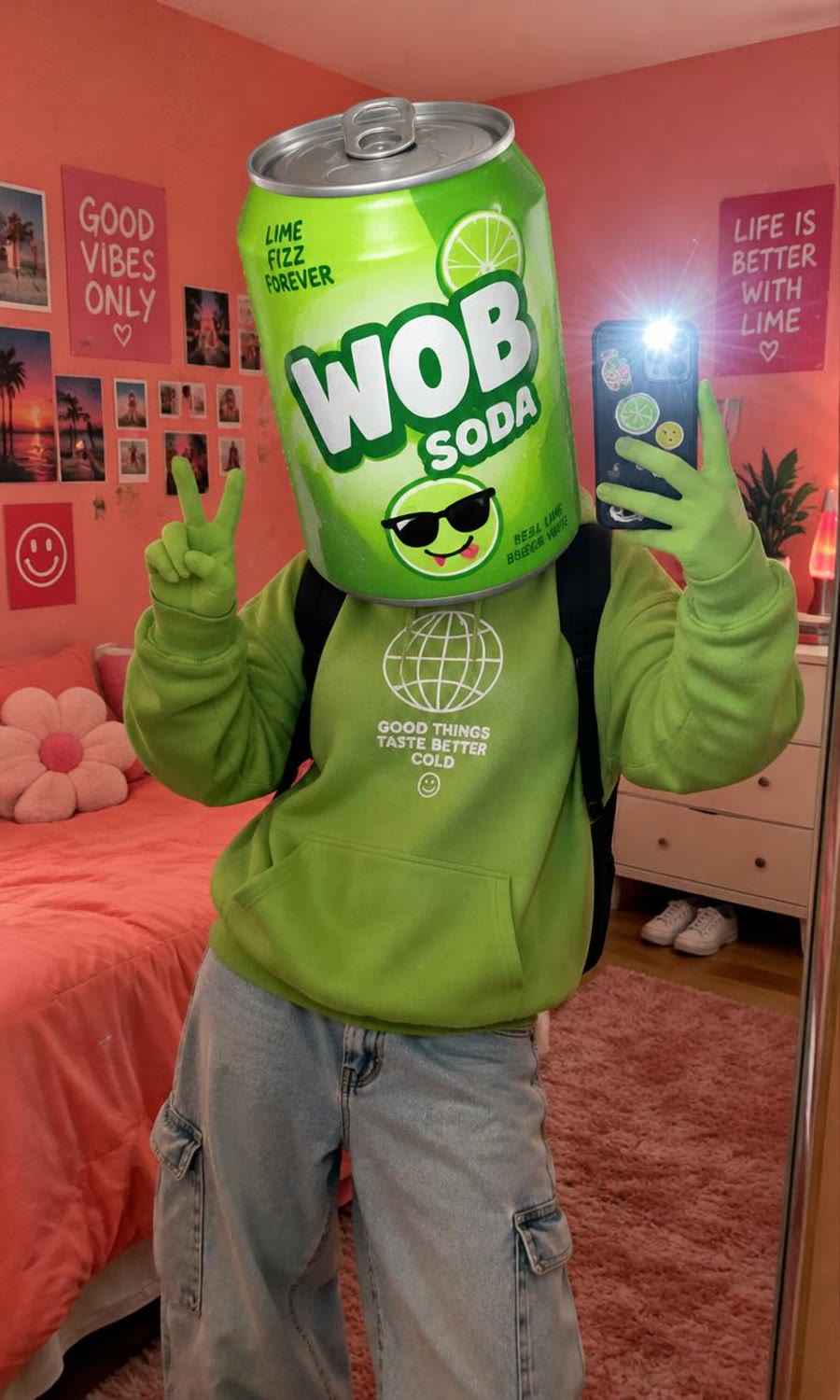
What it is
This format shows realistic-looking people doing strange things in everyday places, often shot like a phone video. The contrast between normal setting and odd behavior is the hook.
Why it works
People stop because something looks wrong and want to work out what they're seeing. A strong character can repeat across many videos and become a recognizable persona.
Best for
- Personality-led brands
- Beauty, fashion and lifestyle
- Attention-first launches
- Recurring character accounts
How to make it
- Design one memorable look and one repeated behavior.
- Pick ordinary settings.
- Shoot-style the prompt like a handheld phone video.
- Keep the first second as odd as possible.
- Repeat the character in a series.
- Label AI content according to platform rules.
Starter prompt
Handheld phone video in a normal bedroom, realistic person in a peach bathrobe doing an oddly serious dance, natural window light, everyday clutter, candid feel.
Quick specs
- Length
- 8–20 seconds
- Ratio
- 9:16
- Pacing
- Instant hook, built to loop
- Audio
- Natural sound or one trending clip
Common mistakes
- Presenting AI people as real customers
- Fake testimonials or fake reviews
- Using a real person's likeness without permission
- Skipping required AI labels
FAQ
Are AI characters allowed in ads?
Generally yes, but platform rules vary and realistic AI content often needs a label. Never present an AI person as a real customer.
Why do odd AI characters go viral?
They create curiosity quickly, and a repeating character gives viewers something to return to.