Italian brainrot: how nonsense became an AI character universe
A shark in blue sneakers shouldn't be a business lesson. But in January 2025 one such TikTok reportedly drew 7 million views, and within months the characters had spread to games, music and merchandise.
- 7M
- Reported views, first shark post
- 26M+
- Reported Spotify streams, one remix
- Gen Alpha
- Core audience
- 2025
- Breakout year
The recipe
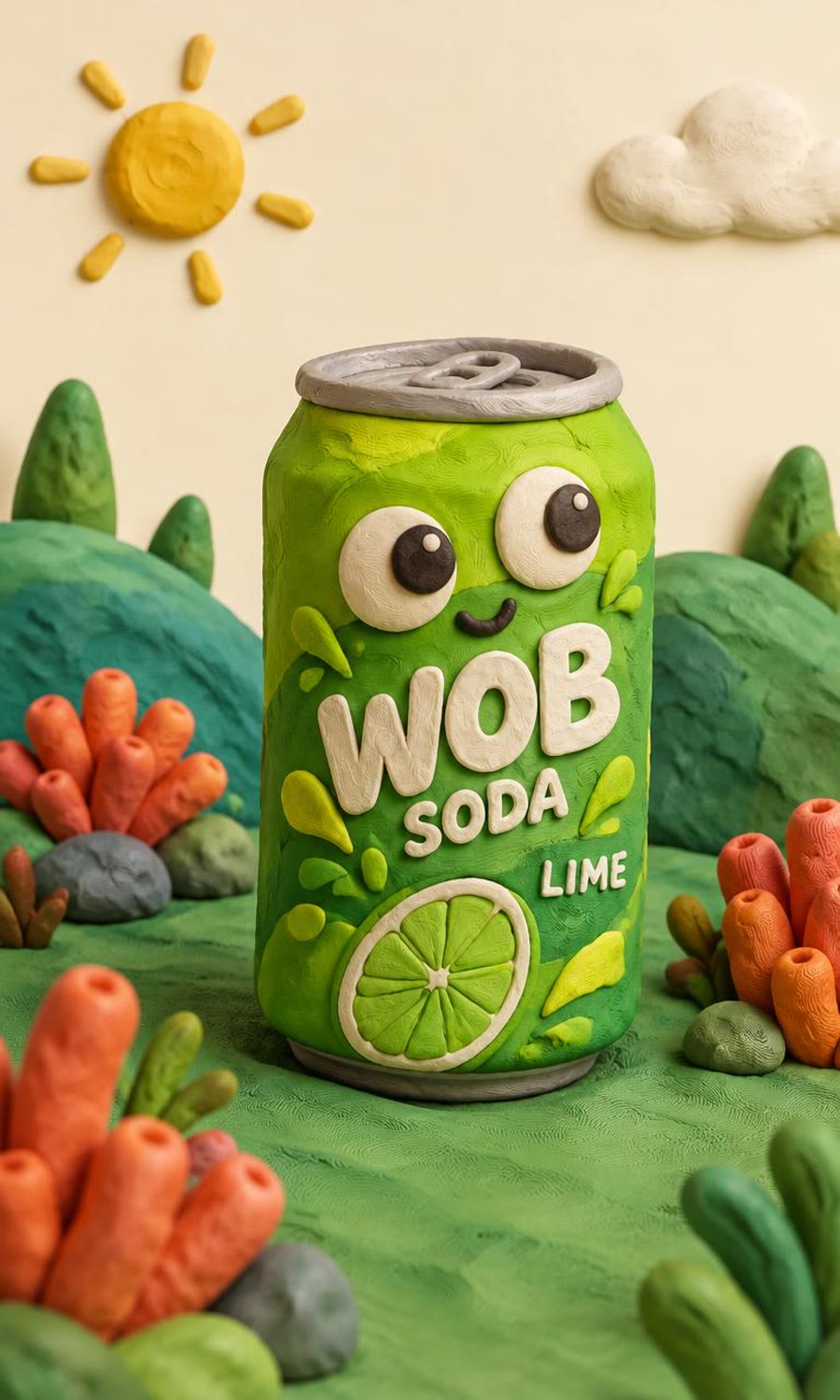
The format is simple: an animal fused with an object or food, a fake Italian name, and a dramatic AI voice. Tralalero Tralala is widely considered the first.
Why it spread
Anyone could add a character, because the rules were obvious and the tools were cheap. So it stopped being one creator's content and became a shared universe. Remixes did the distribution.
From feed to physical
The characters moved into Roblox games, Spotify remixes, sticker collections and market-stall T-shirts. That's the strongest signal a character has real demand: people want it away from the screen.
The catch
Because the characters came from many anonymous users, it's unclear who owns them or who should profit. Coverage has also raised concerns about how much of this reaches very young children. A brand should learn from the mechanics without copying the characters or aiming at kids.
What to take from this
- Make characters that can be described in one sentence.
- Use a repeatable rule so fans can join in.
- Design with merchandise in mind from day one.
- Own your characters from the start.
Sources
Figures as reported or displayed in November 2026 and may have changed.